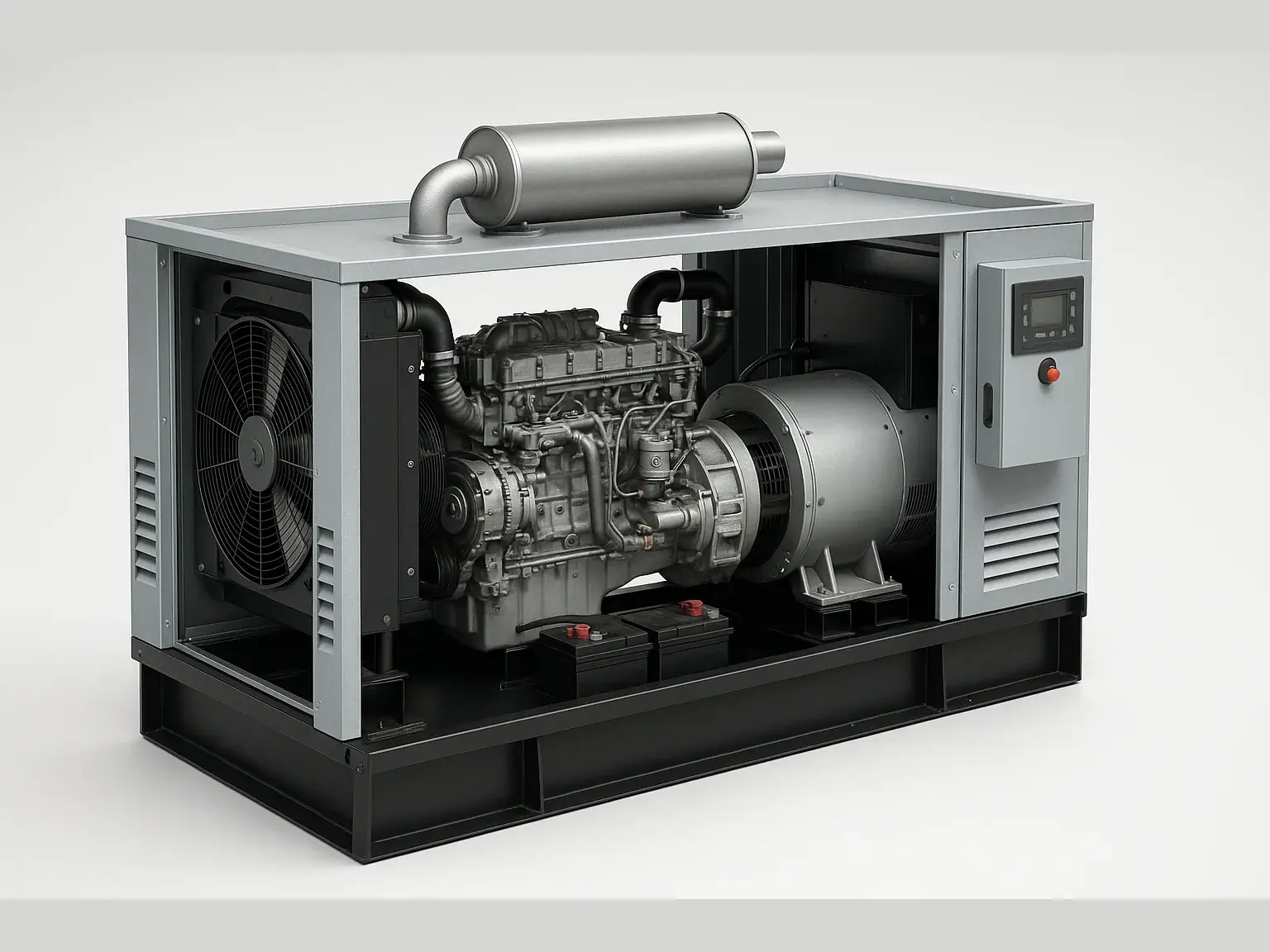
Every building with a life-safety generator in BC falls under CSA C282, whether the manager knows it or not. The standard sets the minimum for annual inspection, monthly exercise, and load bank testing on emergency standby power. When the fire alarm inspector or the insurer asks for the C282 report, they are asking for the current year's binder, signed and dated by a qualified generator technician.
What the annual inspection actually covers
The visit walks the whole system: engine oil and coolant, batteries, fuel condition, transfer switch operation, alarms, and the annunciator. A load bank test verifies the genset will carry the full building load for the required duration, not just the light bulbs in the mechanical room.
Findings get written up as pass, deficient, or non-compliant, with photos. Deficiencies are quoted separately so councils can approve repair work at the next meeting.
The two dates most buildings miss
The annual inspection date shifts every year based on when the last one was completed. Not the calendar. If your last one was in November, the next window opens in October.
The other one is the monthly exercise log. It is a five-minute check the building's staff can do, but if it is not written down it might as well not have happened when the AHJ walks through.
What we hand off after every C282
PDF report signed and dated, photos of every asset, deficiency quotes, the load bank test result, and the next inspection window on your calendar. Everything gets uploaded to the asset registry against the building so the next PM does not start blind.